Share drawings or sketches
Upload your ideas and reference files to help us understand your vision.


Send us your sketches, PDFs, CAD files, Revit, or SketchUp
models and we’ll map the best visualization approach for
your project.
We help you see the space before building. You get
clearer decisions, smoother approvals, and stronger marketing.
















Industrial projects are hard to explain with drawings alone. 3D industrial rendering turns technical ideas into visuals people can understand fast. It helps you present the project clearly, solve issues earlier, and move decisions forward with more confidence.
A strong rendering gives clients more than a rough idea. It shows the structure, layout, materials, equipment zones, exterior details, and even the surrounding environment in a way that feels real.
Clients often hesitate when they cannot fully picture the end result. With realistic views, 360-degree angles, aerial perspectives, and detailed scenes.
Industrial projects involve many moving parts. Architects, engineers, consultants, contractors, and decision-makers all need to stay aligned.
Changes are always easier on screen than on-site. A rendering helps teams spot layout conflicts, awkward space planning, visibility issues, and design gaps before construction begins.
When teams can see the design clearly, execution becomes more organised. Labour teams, project managers, and stakeholders understand the intended outcome faster.
Industrial projects still need to be sold internally or externally. Whether you are pitching to a client, presenting to investors, or seeking approval from leadership, realistic visuals make the idea more persuasive.
From manufacturing facilities and processing plants to equipment systems and technical proposals, it gives your team visuals that make decisions easier and presentations stronger.
Every strong industrial render starts with a well-structured 3D model. That model becomes the base for reviewing equipment layouts, production zones, access routes, structural elements, service areas, and operational flow. Instead of relying only on flat drawings or technical documents, your team can see how the facility or system will work in real space. This helps identify layout concerns early, reduce confusion, and support smoother coordination before work begins.
Industrial projects often involve expensive equipment, tight spaces, safety requirements, and complex installation conditions. With 3D industrial rendering, you can test scale, arrangement, clearance, material finishes, and visual presentation before committing to physical production or installation. This is especially useful for machinery, production lines, storage systems, mechanical rooms, processing areas, and custom industrial equipment. It helps your team review the design with more confidence and avoid costly changes later.
Industrial spaces are rarely simple. A good render can show how machinery, workstations, circulation paths, storage zones, loading areas, and service access all connect within the same environment. These visuals help clients, investors, contractors, and internal teams understand the bigger picture. Instead of asking people to interpret technical drawings, you give them a clear view of how the space will function.
One of the biggest challenges in industrial projects is explaining layout and scale to non-technical decision-makers. 3D industrial renders make that easier by showing equipment placement, spacing, access points, safety zones, and workflow in a more visual way. This can support planning meetings, stakeholder approvals, investor presentations, permit discussions, sales proposals, and internal reviews. When everyone can see the same visual direction, decisions become faster and more aligned.
In industrial work, small details matter. Pipe routes, machine components, platforms, supports, control panels, material finishes, structural connections, and access points can all affect how clearly a project is understood. Close-up renders allow you to highlight important technical features with precision. These visuals are useful for proposals, product demonstrations, training materials, installation guides, and sales presentations where clarity and accuracy matter.
3D rendering gives you more than one image. It creates a complete visual system for explaining, marketing, and presenting your industrial project. You can use industrial renders for brochures, websites, investor decks, bid proposals, trade show displays, equipment catalogues, training visuals, and pre-installation presentations. For manufacturers, builders, engineers, and industrial suppliers, this means stronger communication and a more polished way to present complex work before it is built.
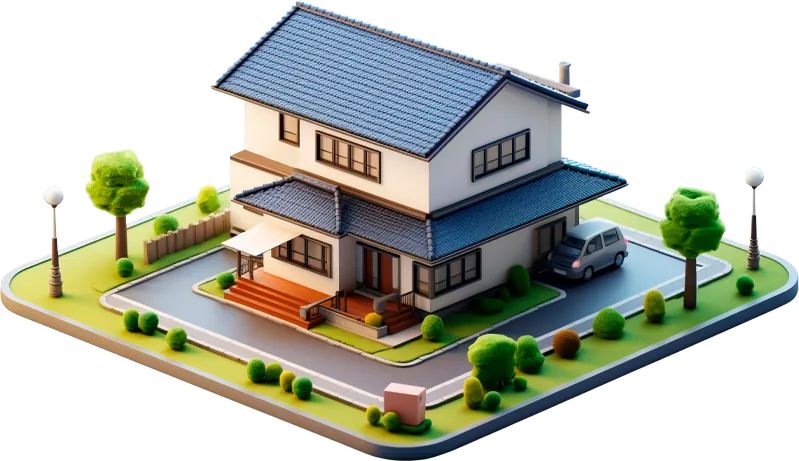
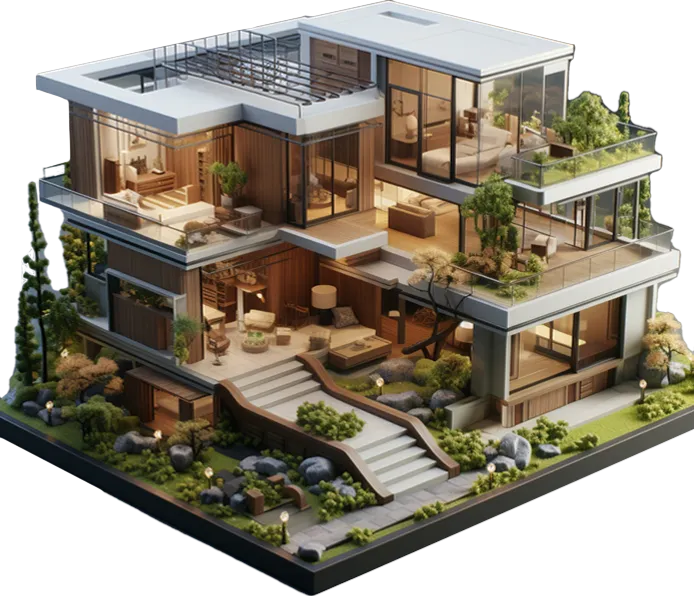
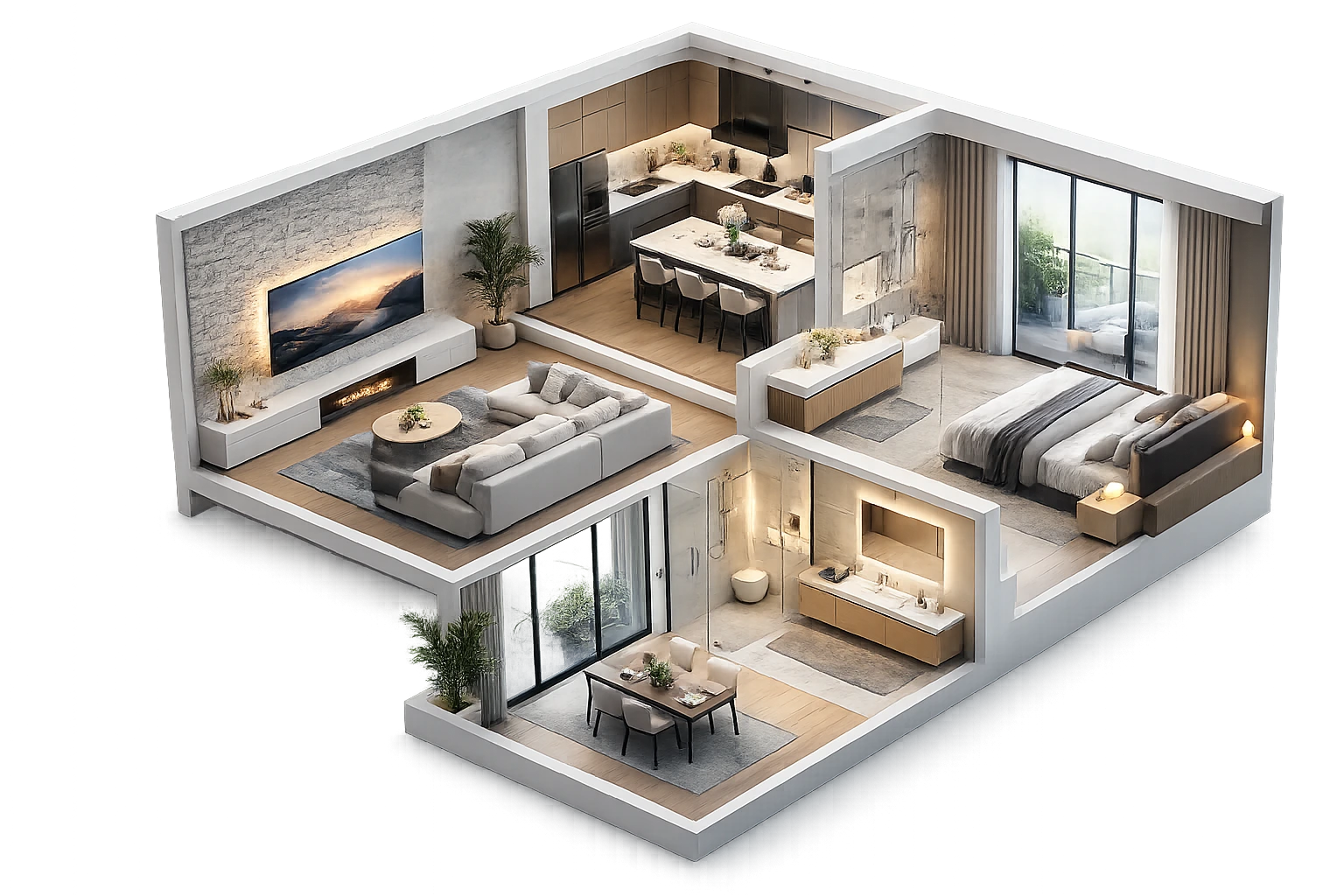
At Pyctom Labs, we do more than create attractive visuals. We build residential renderings that help architects, builders, developers, and homeowners explain ideas clearly, refine designs faster, and present projects with confidence.

We specialize in home-focused visualization, which means every render is built to highlight the details that matter most in residential projects, from façade character and curb appeal to interior atmosphere and material balance.

Our renderings make it easier for clients, stakeholders, and teams to understand a design without needing to interpret technical drawings alone. That clarity leads to better conver- sations, faster feedback, and more confident next steps.

We focus on lighting, textures, finishes, and composition that make a project feel grounded & convincing. The result is a visual that helps people connect with the design instead of just looking at it.

Your assets are created to work beyond a single meeting. Use them across proposals, pitch decks, websites, brochures, pre-sale campaigns, investor presentations, and social content without needing to start over.

We work closely with your plans, references, and feedback to keep the final render aligned with your design intent. Every revision is handled with the goal of improving clarity, not adding confusion.

As a Canada-based company, Pyctom Labs offers responsive communication and a practical understanding of the expectations local builders, designers, and developers bring to residential presentation work.
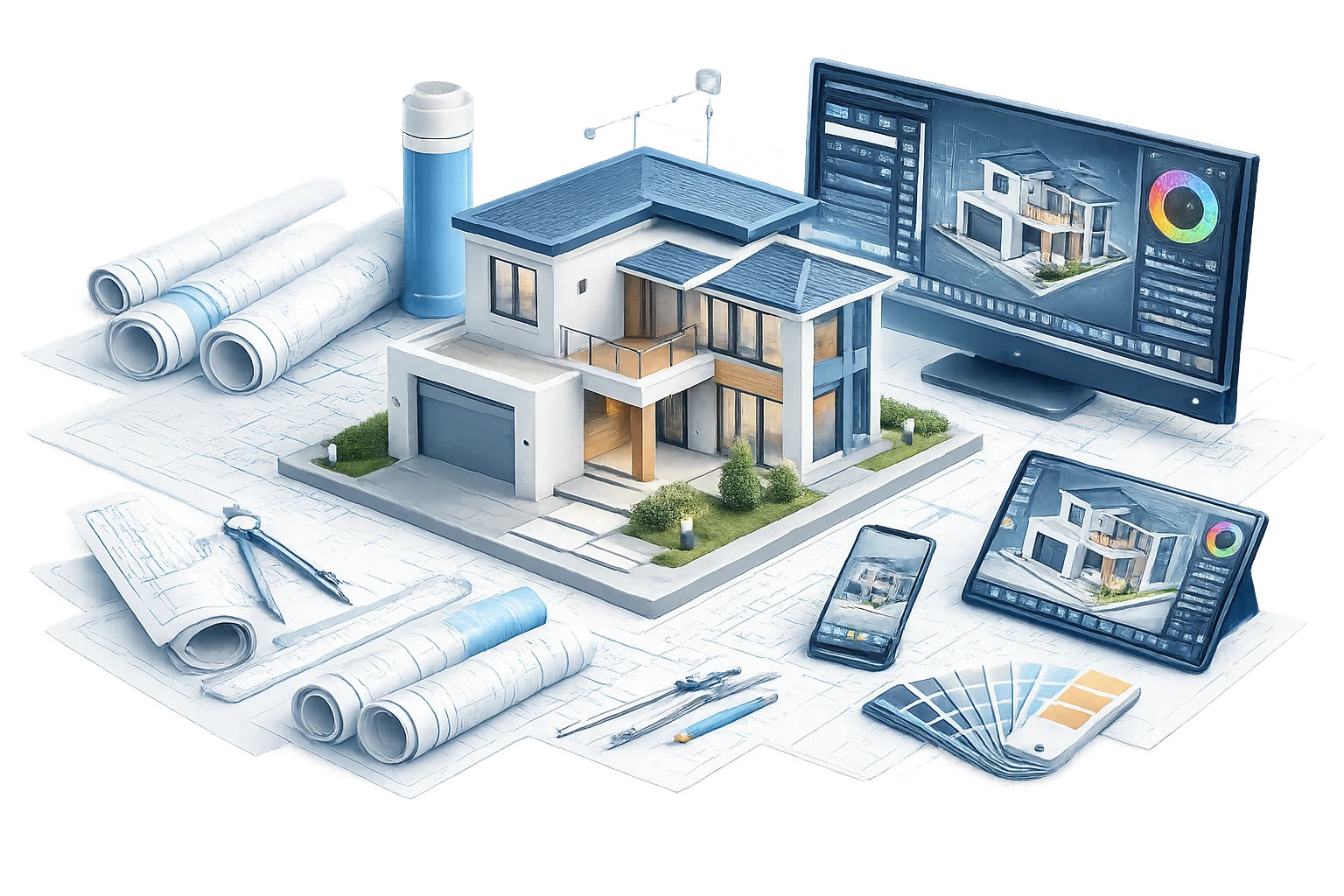
The Tools Behind Our 3D Rendering Process
Turn Your Plans Into Photoreal Visuals Today
Don’t let your ideas stay stuck in drawings.
Whether you’re working on a custom home, renovation, or residential development, we help you visualize every detail before construction begins.
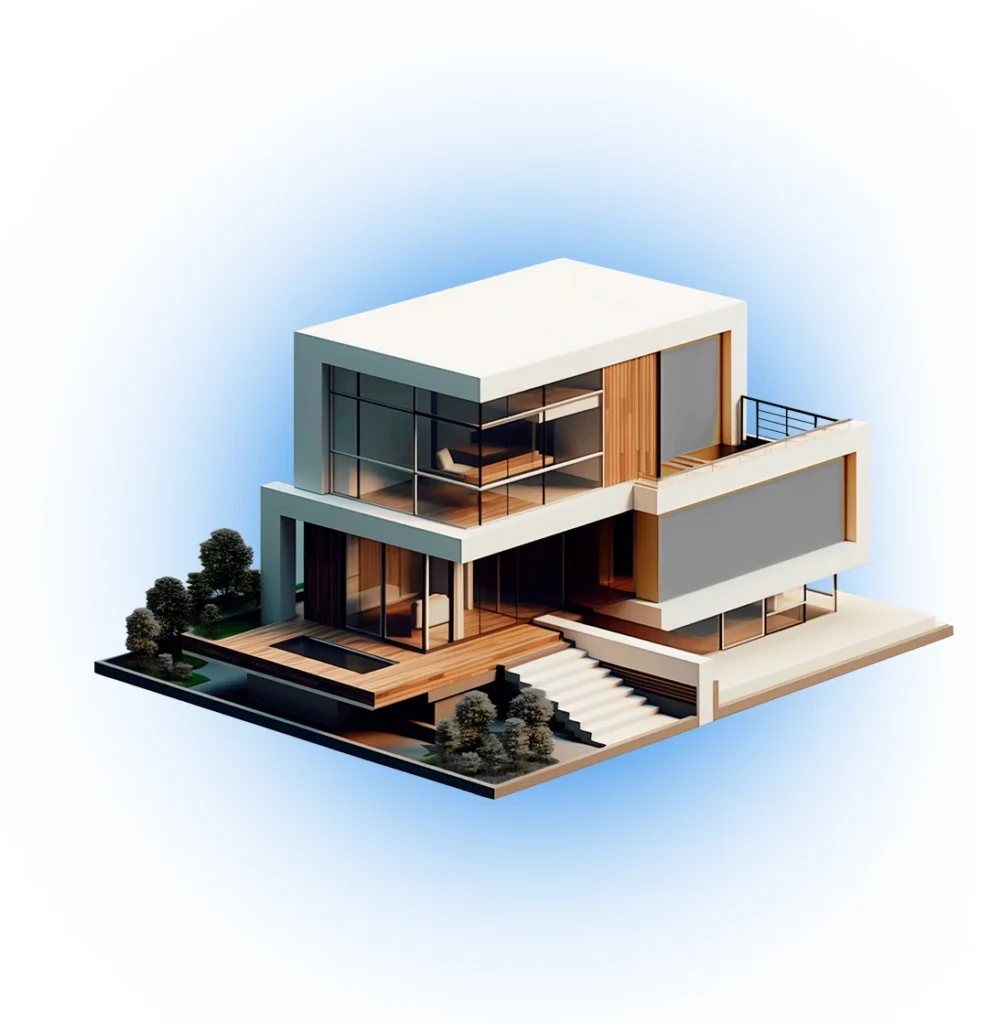
Industrial visuals are used to present facilities, machinery, equipment layouts, production lines, and technical systems in a clear and realistic way. They help teams explain complex projects before installation, construction, or manufacturing begins.
You can send CAD files, Revit models, SketchUp files, floor plans, equipment drawings, site plans, process diagrams, reference images, or even rough sketches. If you are not sure what is enough, we can review what you have and guide the next step.
Yes. We can create detailed equipment and machinery models from drawings, CAD files, product references, or technical images. These models can be used for presentations, proposals, installation planning, product demonstrations, and marketing material.
Yes. We can place machinery, storage systems, platforms, conveyors, tanks, piping, and other equipment inside a full facility layout. This helps teams review spacing, access routes, clearance, workflow, and overall arrangement before anything is installed.
Yes. We can create close-up visuals to highlight important parts such as machine components, pipe connections, platforms, access points, control panels, structural supports, finishes, and assembly details. These are useful for proposals, training material, and product presentations.
Yes. We can add labels, callouts, arrows, part names, process steps, safety zones, or workflow indicators. This is helpful when the visual needs to explain a system, not just show how it looks.
Yes. Clear industrial visuals can make technical projects easier for clients, investors, and decision-makers to understand. They are useful for pitch decks, bid proposals, brochures, trade shows, websites, internal reviews, and pre-installation presentations.
Yes. We can create wide facility views, top-down layout views, sectional views, close-up details, exploded views, and presentation-style images from the same model. This gives your team a complete visual set for different use cases.
Industrial projects need more than attractive images. They need accurate scale, clean organization, proper material treatment, clear layout communication, and strong technical presentation. A professional studio helps turn complex information into visuals that are easier to review, explain, approve, and sell.